
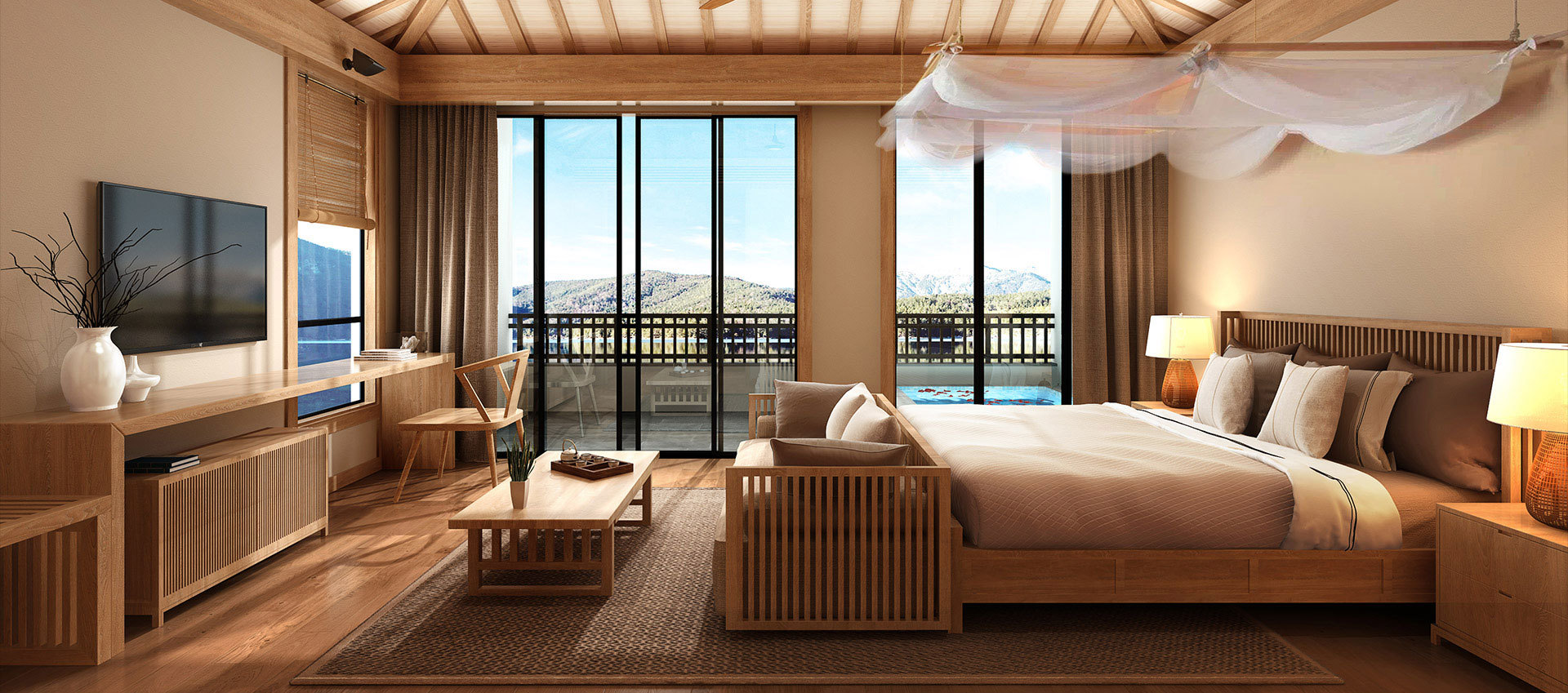
Choosing Wood—Don’t Fall Into Traps! A Comprehensive Guide to Solid Wood Commonly Used in Hotel Project Furniture
Release time:
2026-10-26 14:23
Source:
Choosing Wood—Don’t Fall Into Traps! A Comprehensive Guide to Solid Wood Commonly Used in Hotel Project Furniture
When working on hotel and guesthouse furniture projects, 90% of quotation disputes stem from selecting the wrong type of wood.
Customers focus solely on the wood sample’s appearance, overlooking its stability, suitability for specific applications, and paint compatibility.
Sales representatives often fail to distinguish between open‑pore and closed‑pore finishes, leading to indiscriminate recommendations that ultimately result in post‑sale issues such as mold growth, cracking, and budget overruns.
Many people assume that an attractive wood grain equals high-quality timber.
The true quality standard for solid wood: no knots, no insect damage, and a smooth, even surface.
Today, we’ll break down solid wood—the material most frequently used in the hotel furniture industry—covering its characteristics, advantages and disadvantages, and the types of finishes it pairs best with.
I. Mainstream Commercial Solid Wood
1. Ash White Ash Wood | [High Cost-Effectiveness]
Material advantages: The grain is clear and visually appealing, with exceptional stylistic versatility—perfect for modern, light‑luxury, and Nordic interiors. Priced affordably and backed by reliable supply. Paint compatibility: Matte open‑grain finish (maximizing the natural wood grain’s texture).
Sales‑ready insights: Many customers compare oak with white ash. Natural oak is more expensive, and both species are predominantly sourced from North America.
With a limited project budget but a desire for a clean, wood‑grain finish, white ash is our top recommendation—offering exceptional quality, texture, and stability.

2. Teak | Wood Specifically for Outdoor Furniture
Material advantages: Naturally decay-resistant and waterproof—classic material for outdoor furniture.
Paint compatibility: Natural finish, preserving the original wood texture.
Key takeaways: Burmese teak is extremely expensive; for outdoor projects with tight budgets, non‑Burmese teak is a more cost‑effective option that still meets basic outdoor‑use requirements.

3. Oak
Material advantages: solid texture, bold and robust grain, easy to work and shape.
Compatible paint: Matte open-pore finish
Key selling points: The overall price is higher than that of white waxwood, making it ideal for high-end hotel projects with ample budgets that seek the rich, substantial oak grain.

4. Pine wood
Material advantages: lightweight and soft, low cost.
Weakness: Poor hardness; highly susceptible to chipping and deformation upon impact.
Use red wire only for the internal frames of sofas and beds; it is strictly prohibited to expose it as the primary frame of any piece of furniture.
5. Beech wood
Material advantages: high density, hard and wear-resistant, excellent load-bearing performance, environmentally friendly and stable—making it a popular choice among European and American customers. Compatible paint: sealing varnish.
Applicable to: cabinet bodies and tables and chairs that require a smooth, solid‑color finish and have load‑bearing requirements.

6. Rubberwood
Material advantages: High production volume and low raw log procurement costs.
Weakness: Naturally prone to mold, insect infestation, and decay; requires preservative and insect‑proof treatment during the initial stage. Compatible paint: Sealer.
Applicable to budget‑friendly hotel projects with tight budgets; not recommended for outdoor use in humid environments.
7. Elm wood
Material advantages: vintage natural wood grain, with a strong rustic, organic vibe.
Compatible paint: Clear coat
Suitable for: guesthouses and vintage‑style boutique hotels, creating an authentic, natural aesthetic.

8. Birch wood
Material advantages: cold-resistant, highly pest‑resistant, with a light, even wood tone and a clean base color. Paint compatibility: sealing varnish.
Suitable for furniture that requires a light-colored, solid‑color finish.

9. Walnut wood
Material Advantages: A rare North American hardwood with a long maturation cycle of up to 50 years, featuring rich, dark grain that exudes understated sophistication and an innate sense of luxury.
Compatible paint: Matte open-pore finish
Applicable to: upscale boutique hotels and luxury custom‑built residences, with high budget requirements.

10. Mahogany, Rosewood
Material Advantages: Classic, high‑grade hardwoods with warm, soft grain patterns and excellent stability, often used for premium custom furniture.

11. Maple wood
Material advantages: Fine wood grain, clean, bright white tone, and tightly packed pores.
Compatible paint: Sealer
Suitable for solid-color, smooth paint finishes such as pure white and light gray.
II. High-End Rare Woods
This type of wood is expensive and is typically used for custom projects in high-end hotels and clubs; it is rarely chosen for standard hotel developments.
| Lacewood Nice Wood | Unique pattern; we recommend a clear finish. |
| Figured Yingmu | Features a proprietary shadow‑enhancing finish that accentuates the wood grain. |
| Rosewood / Red Wood Sourwood acid wood Ebony wood |
Luxury, top-tier materials |
| Phoebe zhennan S.Lee Golden Nanmu | Premium hardwoods, with a relatively high price point, are well-suited for upscale New Chinese‑style projects. |
| Merbau wood, Philippine mahogany | Excellent corrosion resistance, though the material is somewhat brittle; affordably priced. Suitable for outdoor use |
III. Logic for Matching Paint and Wood
1. [Matte Open-Pore Finish]: Preserves the wood’s natural pores, offering a tactile, textured feel with visible grain patterns. We recommend choosing woods with attractive grain, such as white ash, oak, elm, or North American black walnut.
2. [Sealer]: Fills wood pores, leaving a smooth, even surface; ideal for solid colors and concealing wood imperfections—suitable for beech, rubberwood, birch, maple, nussbaum, and wenge.
3. [Natural Finish]: Teak, preserving the wood’s original color to the greatest extent.
IV. Recommendations

1. Budget‑Prioritized Strategy: The customer desires an oak‑like finish but has a limited budget. We recommend prioritizing white ash to reduce cost pressure while delivering a similar aesthetic effect.
2. Environmental Priority Strategy: For projects in humid regions, use rubberwood with caution; for outdoor furniture, teak or iroko are the preferred choices.
3. Paint-matching strategy: For solid-color finishes, prioritize wood with fine grain and use a sealing varnish to prevent pinholing and subsequent rework.
When selecting wood, it’s never just about whether the sample looks good.
A comprehensive assessment should take into account the budget, the usage environment, the design style, and the paint application process.
Choosing the right wood not only enhances the quality and aesthetic appeal of your furniture but also helps minimize post‑purchase maintenance issues.
If you have a custom furniture project for hotels or guesthouses, feel free to discuss your requirements with us. We can provide a comprehensive wood sample catalog for your reference and selection.
Previous
GELAIMEI is willing to work hand in hand with colleagues in the community to add luster to the furniture industry
Leave your contact information and we will contact you within 24 hours.
Guangdong GELAIMEI Furniture Co., Ltd.
Factory address: Longgao Road, longjiang town, Shunde District, Foshan City, Guangdong Province, 800 meters to the right side of Gaoming
Telephone: 86 757 2891 5022
Telephone: 86 757 2387 1928